Digital Imaging & the Preservation of Tangible Cultural Heritage

What a representation captures, and what it quietly leaves out.

for Epigraphy, Graffiti, Iconography (EGI), an Open-Access, Peer-Reviewed Journal.
Co-editor: Doron Altaratz, Director, Department of Photographic Communication, Jerusalem Multidisciplinary College. Associate Researcher, Cities and Territories Research Group, DINÂMIA’CET, ISCTE-IUL. Senior Researcher, Jerusalem Institute for Research and Digital Documentation of Cultural Heritage.


Call for Papers associated with the Digital Imaging & the Preservation of Tangible Cultural Heritage (DIPTCH) 2026 course (https://photo.jmc.ac.il/heritage/).

In the field of digital heritage preservation, the drive to document is often framed as a race against decay. Through photogrammetry, 3D scanning, and multispectral imaging, we have gained an unprecedented ability to freeze vulnerable material culture in time. Yet, every digital surrogate—no matter how high its resolution—is both an act of preservation and an act of translation. Every representation captures a specific dimension of an object while quietly leaving others out.

When we digitize historic marks, inscriptions, or contemporary urban graffiti, what exactly are we preserving? A 3D model may flawlessly capture the geometry and surface texture of an ancient epigraph or a modern tag. However, it often strips away the situated, embodied practice of the writing itself—the performance of the hand, the changing atmospheric conditions of the architecture, the sensory friction of the tool against the substrate, and the fluid social contexts that gave the mark its original meaning.

Digital twins and computational surrogates create a paradox: they institutionalize and make permanent what was often meant to be ephemeral, illicit, or deeply embedded in a specific local community. What remains in the gaps between the physical artifact and its digital twin? How do technological choices dictate what future generations will remember, and what will be systematically forgotten?

Calendar:
Open call: November 2026
Full paper submission deadline: End of February 2027
Complete issue announcement: July 2027

Continuous publication:
The review process begins as soon as a paper is submitted.
Submissions are published as soon as they are accepted.

Submissions should be made through the EGI journal publishing platform.
Please indicate the thematic call you are submitting to in the “Comments for the Editor” field.
For any questions or submission problems please contact: info@wisethorough.com

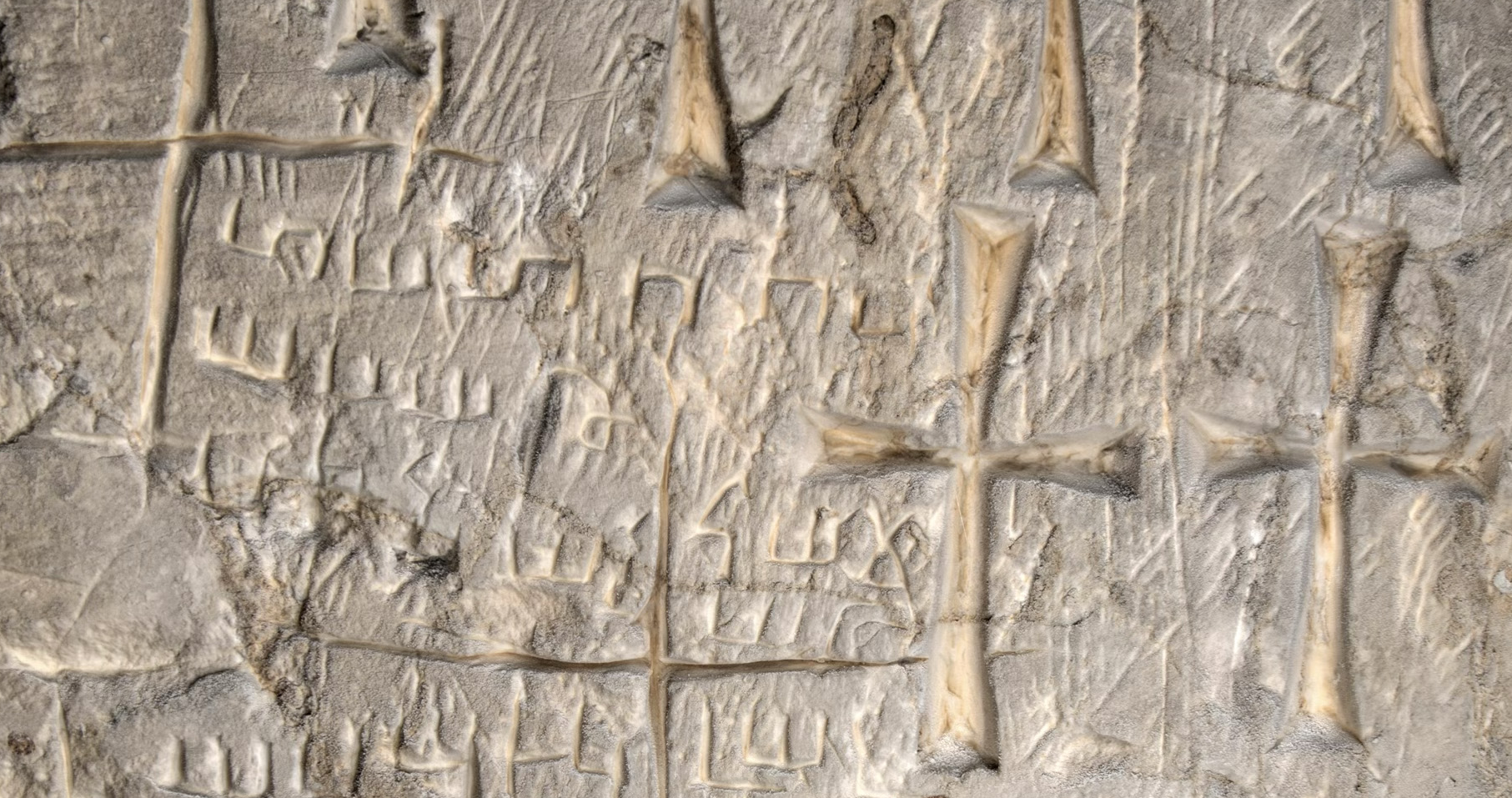
Image Credits: Doron Altaratz