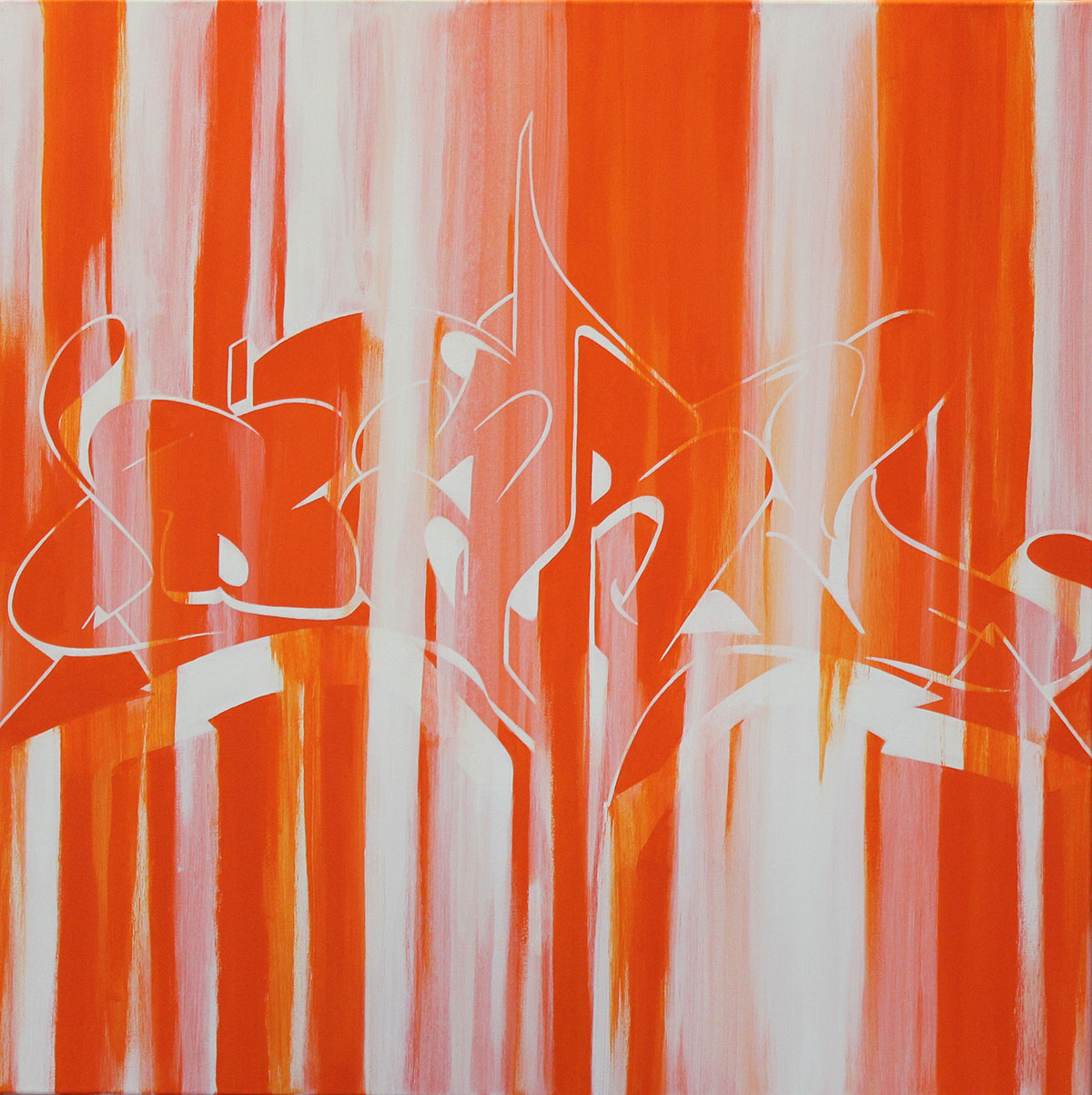
Graffiti Expressionism

Updating the Classical Art Canons
Thematic call

Co-editor: Kai Hendrik Schlusche, Author and Independent Researcher in Graffiti and Street Art
Abstract until the end of April 2026.
Full paper until the end of July 2026.
Publication of the Issue: November 2026.

Submissions should be made through the GSA journal publishing platform.
Please indicate the thematic call you are submitting to in the “Comments for the Editor” field.

This thematic call it's associated with
Urban Creativity, conference and activities, 13th edition
Lisbon, July 2, 3 and 4, 2026


Call for papers:

Despite decades of artistic production, global visibility, and scholarly attention, graffiti and street art remain marginal or entirely absent from many canonical narratives of modern and contemporary art. Influential English-language surveys and timelines of art history—such as those by E. H. Gombrich, Suzie Hodge, and others—often overlook graffiti-based practices or treat them as peripheral phenomena rather than as formative contributions to visual culture.

This thematic issue invites critical reflections on whether—and how—the classical art canon can, or should, be continued and reconfigured. Recent debates have exposed long-standing structural exclusions, including Eurocentrism and the systematic marginalization of women and non-Western artists. In this context, graffiti and post-graffiti practices raise urgent questions: do they signal the exhaustion of the traditional canon, or might they offer a compelling argument for its renewal?

The issue takes Graffiti Expressionism as a conceptual and methodological entry point to examine how graffiti-based practices intersect with painterly traditions, abstraction, figuration, emotion, gesture, and material experimentation. The growing number of illustrated publications, global surveys, and dedicated volumes—including works foregrounding women artists—suggests the emergence of alternative canons that challenge inherited hierarchies.

Contributors are encouraged to address unresolved definitional tensions within the field. How can the overlapping and contested terms graffiti, street art, post-graffiti, or urban art be productively articulated? Is it possible—or desirable—to propose heuristic or “predominant” frameworks (e.g., an 80/20 logic) rather than rigid classifications? How do positions such as Quinn Martin’s assertion that street art is graffiti reshape historiographical and theoretical debates?

Submissions may take the form of scholarly articles, critical essays, visual essays, or extended book reviews (including dialogical or Q&A-based formats). Case studies, comparative analyses, historiographical critiques, and reflections on recent publications—such as Graffiti Expressionism—are particularly welcome.

Possible topics include (but are not limited to):
- Graffiti and street art in modern and contemporary art historiography
- Graffiti Expressionism as a category, style, or methodological lens
- Canon formation, revision, and refusal in relation to graffiti-based practices
- Gender, geography, and global perspectives in post-graffiti narratives
- Definitional conflicts and taxonomies within graffiti and street art studies
- The role of illustrated books, archives, and visual documentation in canon-building

This issue aims to critically assess whether graffiti-based practices merely challenge the canon from the margins—or whether they demand a fundamental rethinking of what an art canon can be in the twenty-first century.


Submissions should be made through the GSA journal publishing platform.
Please indicate the thematic call you are submitting to in the “Comments for the Editor” field.


Credits: This thematic call is built on the relation that emerged from the Graffiti Expressionism DARE | Sigi von Koeding in Basel by Kai Hendrik Schlusche book review process; Image - DARE | Sigi von Koeding, Orange vibes 80x80, 2008.