Graffiti, Street Art, and (Il)Legality

The role of (il)legality in graffiti and street art.

Thematic call for Graffiti and Street Art (GSA), an Open-Access, Peer-Reviewed Journal.
Special Issue Editor: Stefano Bloch, University of Arizona


Abstract submission date: until the end of May 2026.
Full articles (if invited): until the end of July 2026.
Expected publication date: November 2026.

Abstracts – The recommended length is approximately 300 words
Articles - The recommended length is approximately 5000 words
Essays - Includes Working Papers, Visual Essays: 2000 words

Submissions should be made through the GSA journal publishing platform.
Please indicate the thematic call you are submitting to in the “Comments for the Editor” field.

The thematic call it's associated with
Urban Creativity, conference and activities, 13th edition
Lisbon, July 2, 3 and 4, 2026


Call for papers:

The illegality of graffiti is, for some, an obstacle to its development as a legitimate art form and a more widely accepted aesthetic. But for others, it is a generative force: it is because of its illegal and iconoclastic status as a “crime of style” (Ferrell, 1996) that writers engage in the practice at all. Different perspectives on the legality of graffiti and street art have even created fissures within the global graffiti community, between those who want increased legitimacy and permission to paint in public and those who see official permission as unnecessary, unwanted, and even part of the problems associated with state control and cooptation. The issue of legality also speaks more broadly to concepts of morality, transgression, ideology, and what Tim Cresswell (1994) famously identifies as the “in or out of placeness” of graffiti.

This special issue seeks to gather different views on the question of the law as it relates to the (il)legality, criminalization, control, expression, practice, performance, and subcultural authenticity and legitimacy of graffiti and street art.

Possible topics include (but are not limited to):

  • Theorizing vandalism from an aesthetic or private property perspective.

  • The subcultural politics of legality and legitimacy.

  • Illegality as cultural transgression.

  • Identity, expression, and property rights.

  • Legal theories of graffiti and vandalism.

  • Criminalization of graffiti writers and street artists.

  • Analysis of anti-graffiti laws and legislation in different national and historical contexts.

  • Policing of graffiti writers and street artists.

  • Personal experience with the legal system as a graffiti writer or street artist.

  • Different legal approaches to different forms of graffiti: tagging, gang writing, political graffiti, street art, etc.

Submissions may be theoretical, analytical, empirical, and/or autoethnographic in scope. We also invite pieces that are personal, polemical, political, and/or provide a review of pertinent literature from any disciplinary perspective. We also accept papers that focus on legal contexts, criminalization, and subversion in any national context.

Submissions should be made through the GSA journal publishing platform.
Please indicate the thematic call you are submitting to in the “Comments for the Editor” field.

Questions about the call topic: blochs@arizona.edu
Questions about submission process: info@urbancreativity.org

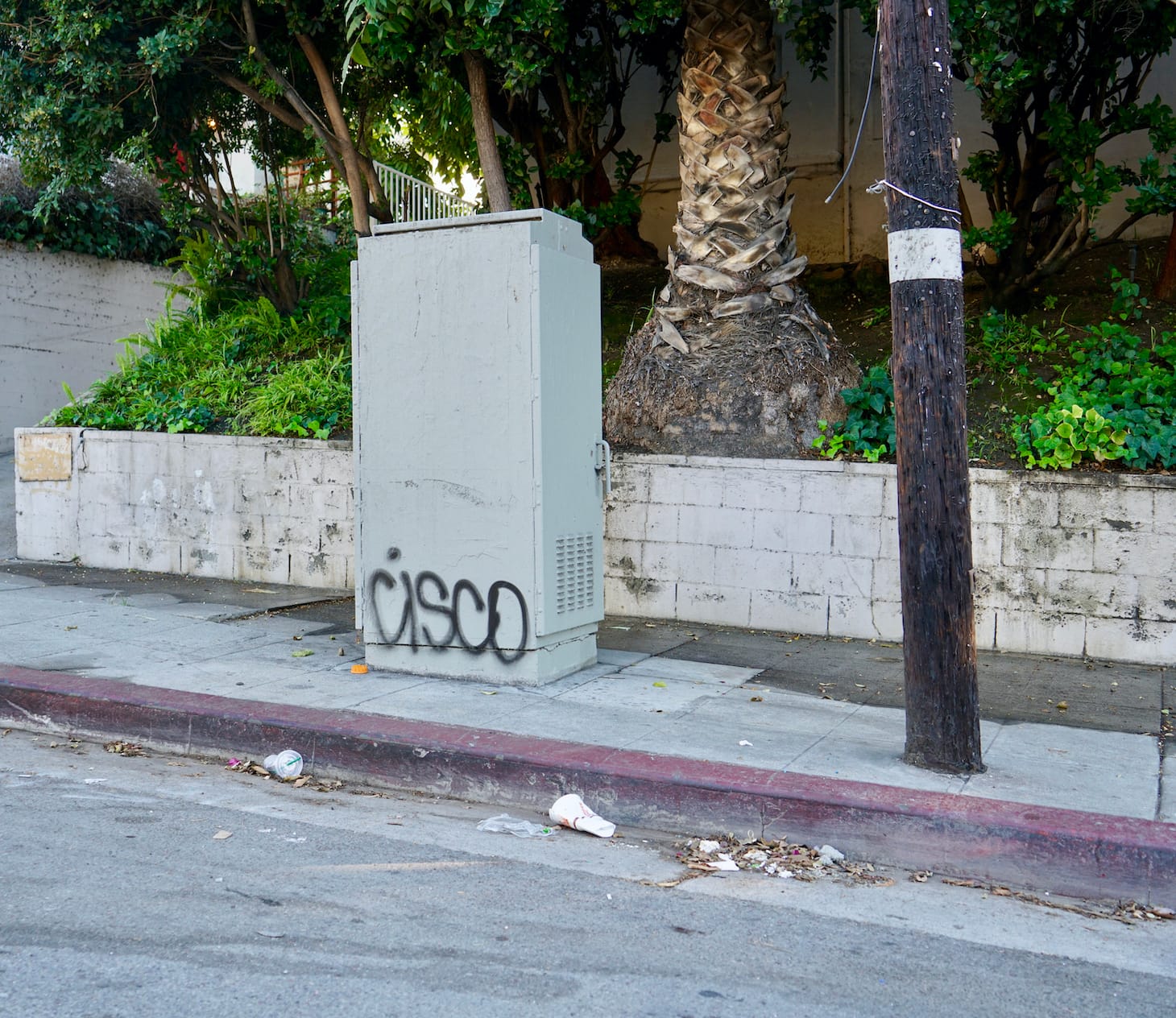
Image: "cisco tag on electrical box" from Stefano Bloch personal archive.