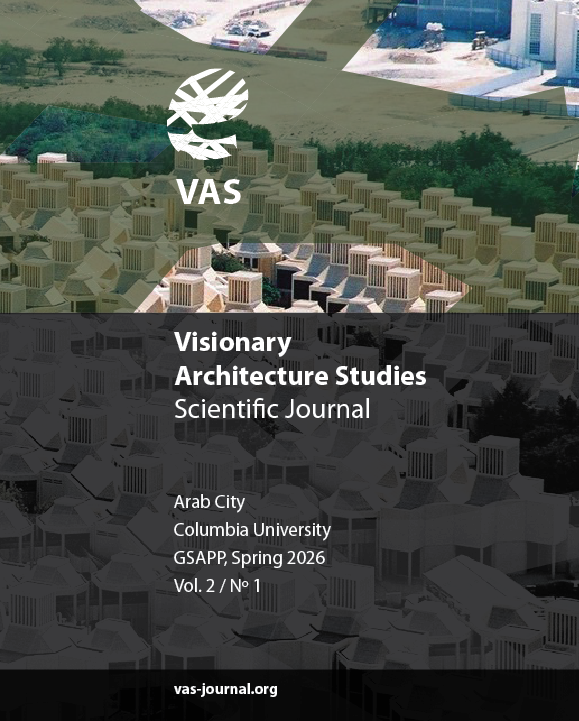
Reconstructing Authenticity
Diriyah Gate as Urban Spectacle in Post-Oil Riyadh (2010 till Present)
DOI:
https://doi.org/10.48619/vas.v2i1.A1472Abstract
This year marked the first decade since Mohammed bin Salman (MBS) announced the ambitious reform of Saudi Vision 2030 back in 2016, which aims to divert the Kingdom’s revenue from oil production into other sectors like tourism and service industries. With the support of the Sovereign Fund Public Investment Fund (PIF), many mega-projects such as the Line and Oxagon Village by NEOM were launched. Riyadh as the capital of the Kingdom was historically conservative in urban development, where it was overshadowed by regional rivals like Dubai and Doha in the Gulf region.
The geopolitics of the country also influenced such context, with the new young leader MBS pushing many new urban developments in the region. In a matter of a decade, the country has transitioned from a state led economy to a neo-liberal model, where the government is promoting economic growth in the private sector, particularly through large scale real estate development in cities like Riyadh.
Downloads